

WOMEN,
CONFIDENCE,
FREEDOM,
COMPLICITY.
It’s no laughing matter.


Created & Developed byHOLLY MANDEL

Hi I’m Holly. While at THE GROUNDLINGS I developed a talk that I’d give to my women students and anyone else who wanted to come. It was born out of my observations and experiences as a student, then performer, director and instructor — both at The Groundlings Theater & School and her own improv school in New York City in the early 2000s.
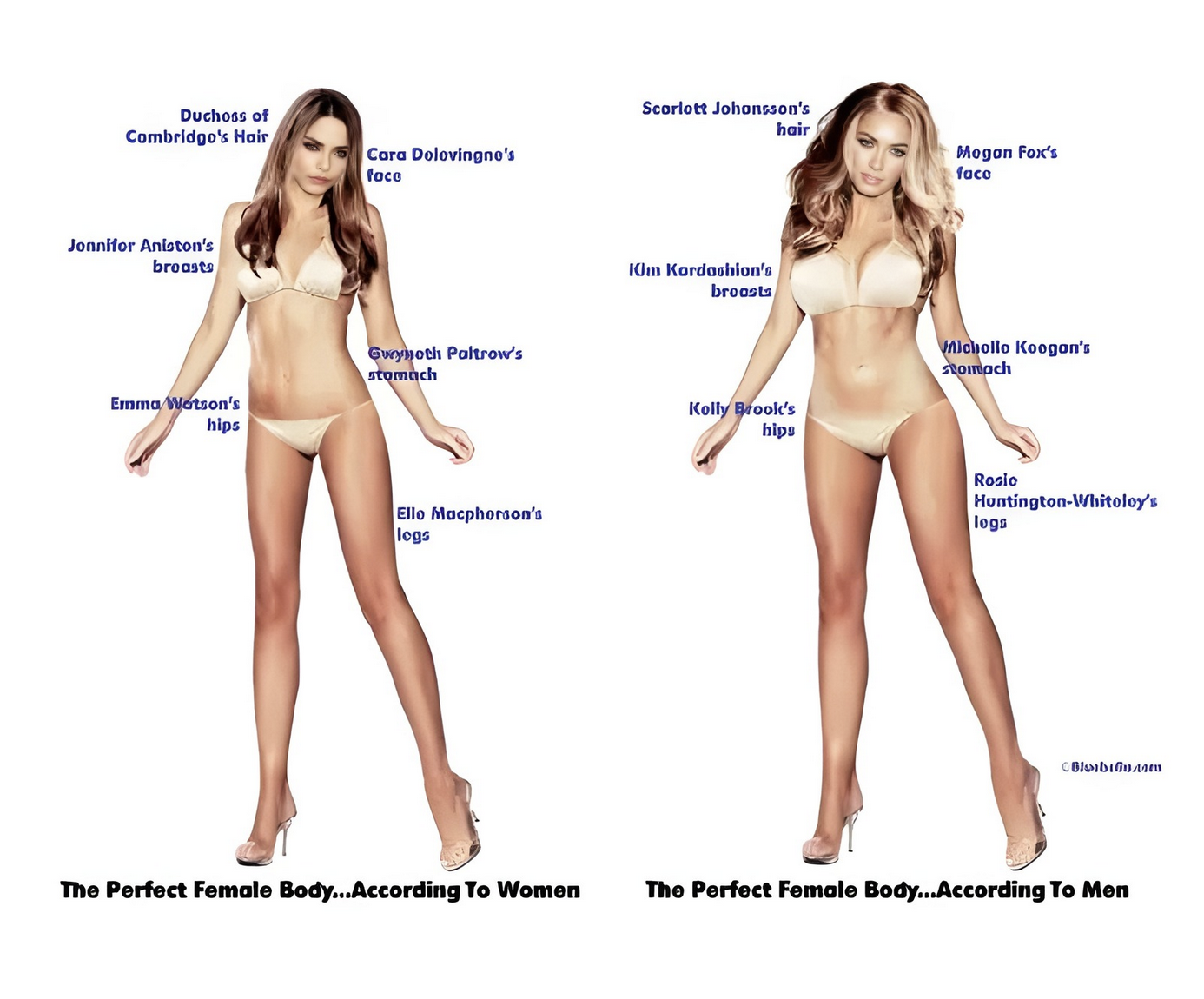
I noticed some trends across the board in my female students and fellow performers that were both confusing and troubling…eventually recognizing them in myself: a passivity, a default setting of being nice, needing to be liked, wanting to be chosen and ‘the One’, unfounded mistrust of women who were also a source of competition (even if we never admit it), and the feeling I was always doing it wrong and I needed to always be better, prettier, thinner, more attractive, more…fill in the blank.
-
— something most women can identify right away: perfect and pleasing. Boom — a talk was born and I knew I had hit on something big.
I gave that talk hundreds of times to thousands of women — first in the comedy world but then soon everywhere that would have me, universities and Fortune 500 companies.
The reaction was always the same, some combination of:
“Holy shit. I understand so much now. Why is no one else talking about this? What do we do about it?!”I was on a roll until something you may have heard of happened — a global pandemic. So, like the rest of the world, I paused and began to learn even more about myself and the way things are.
And so here we are, a post-pandemic world in the midst of a huge shift so I’ve decided to take this leg of my research and findings onto a podcast.
In this podcast, improviser, teacher, and culturally-curious Holly Mandel explores the construct of The Good Girl—the set of expectations that are both explicit and implicit for women to be nice, supportive, and get it “right.”
What began as an observation in the comedy world revealed a much bigger pattern — resonating with groups of women from all backgrounds and careers.
Through conversations with experts, comedians, creatives, and colleagues, the show examines where these habits come from, who enforces them, who obeys them, what the costs are, and what becomes possible when we move beyond them.

Meet The Good Girl.
WHO IS SHE?
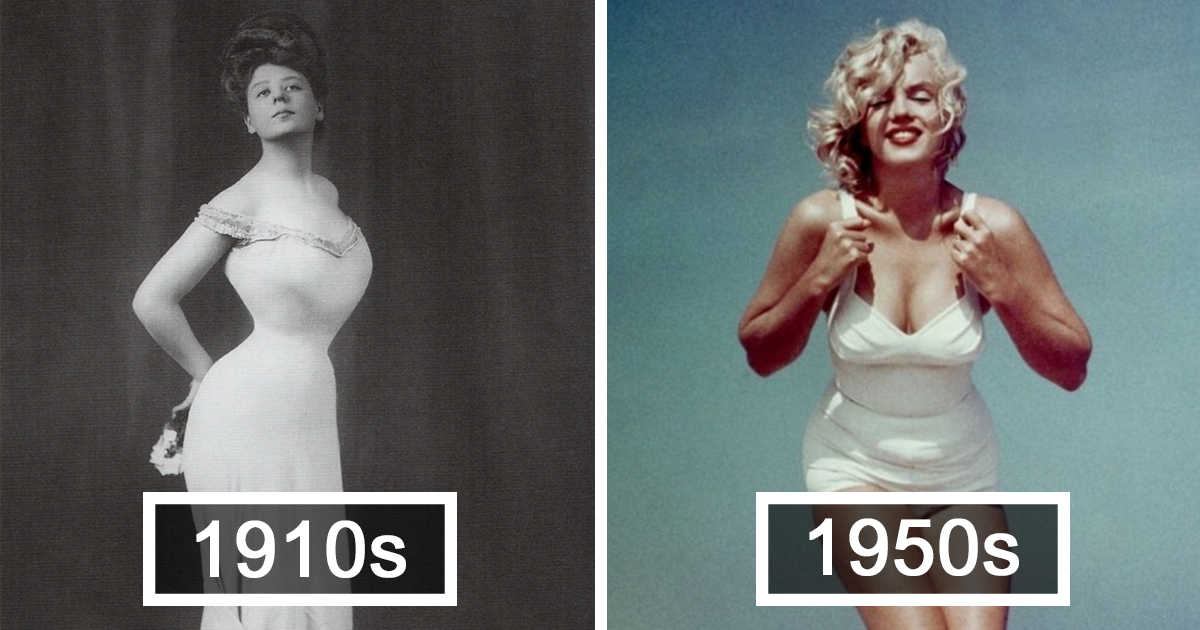
She’s changed over the years.
She takes may forms and serves a variety of carefully-constructed purposes.
She is defined by a set of values, often dependent on cultures, class and context. SHOULDS. The prescribed, acceptable DO’S and DON’TS.
Being GOOD is when you do what you should do. You are affirmed because you are pleasing. And when you’re pleasing, you are rewarded.
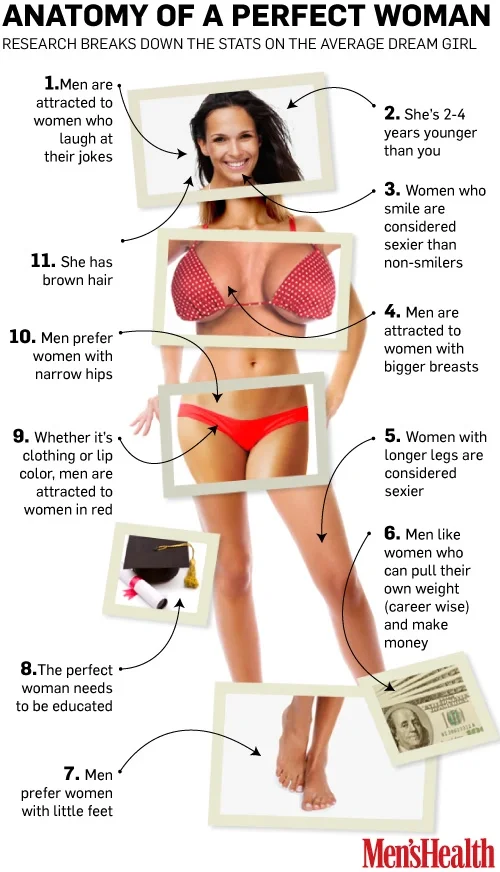
Pleasing can mean a lot of things…and does — Hot. Kind. Accommodating. Feminine. Nurturing. Selfless. Flirty. Young. Agreeable. The Cool Girl. Popular. And so on.
DO ALL WOMEN HAVE ONE?
While we all — men, women, and everyone in between — have socially constructed “roles” that we are expected to fulfill, The Good Girl is unique.
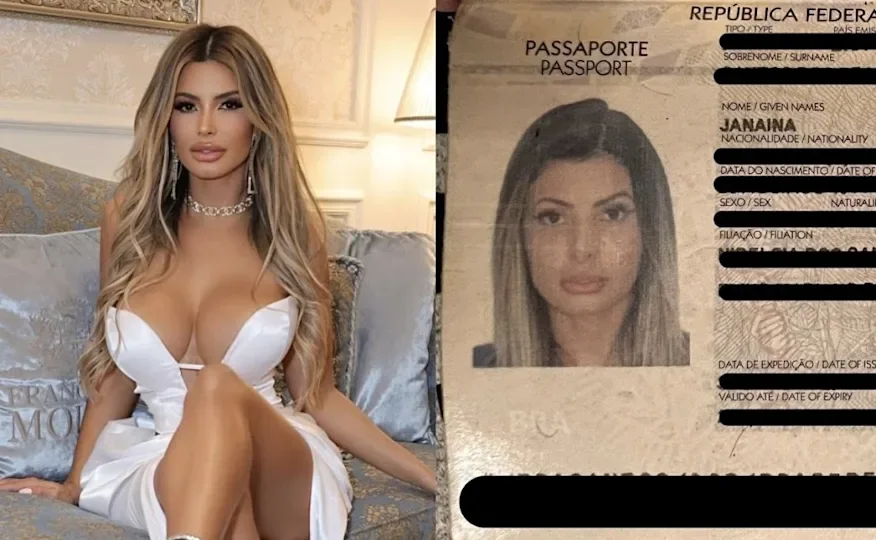
She is what today’s Western Culture holds most ideal and coveted. It is what is pedastalized — how to look, behave, participate, think, and want.
The Good Girl is obedient, regardless of the time she is in — hence the “good” in the name. What’s tricky is many of us think we are freely choosing who we want to be — but are we? Or are we just stretching the limits of what is still accepted as The Good Girl?
Because what happens — now and historically — to women who don’t behave and obey?
Whether we are aiming to become her or fighting not to be, she exists in culture regardless, as the ultimate attainment.
WHY SHOULD WE CARE?
Well…some may not. But you might. Because once you begin to pull the layers back, you may start having questions like I did.
Like, who decides on the criteria for being a Good Girl? How did I learn to be her? And what is the reward for that?
Who ultimately wins? Where did the rulebook come from? What is the cost of not following it?
Who has access to being given the title of “Good Girl” and who is excluded from it based on race, age, class, appearance, and values?
And, maybe most intriguing — if we are aware there are rules that we did not create, why are we following them? And why aren’t we creating our own?

TAKE THE QUIZ!

Ok, so what does this have to do with being funny?

Great question.
This is what my work is all about.
I am bridging my worlds of comedy and improv — teaching and performing — with my interest in culture, change and women’s consciousness.
I’d love it if you jumped in and joined me!
I am turning my exploration and curiosity into a public podcast.
That way, we can all learn what the actual fuck is going on, why we seem to be stuck in a Groundhogs Day hell-loop as women, how all of this works under the surface, and what the future may bring if we realize we have to be FREE FROM in order to be FREE TO.

Holly Mandel
“Mother Teresa didn’t walk around complaining about her thighs – she had shit to do.”